
How Long Does a Home Remodel Take? A Step-by-Step Timeline for Painting, Basements, Kitchens, Bathrooms & Outdoor Kitchens

Home remodeling projects can take anywhere from a few days to several months depending on the size of the project, the materials being used, and how much work needs to be completed. A simple interior painting project may move quickly, while a basement remodel, kitchen renovation, bathroom remodel, or outdoor kitchen build may require more planning, ordering, construction, and finishing time.
At RAM Group, we help homeowners plan larger painting and remodeling projects with a clear process from the first estimate to the final walkthrough. Whether you are updating the inside of your home, improving your curb appeal, finishing a basement, remodeling a kitchen or bathroom, or building an outdoor kitchen, understanding the timeline can help you feel more prepared before work begins.
Below is a simple step-by-step look at what to expect during a home remodeling project.
What Should You Do Before Starting a Home Remodel?
Before any work begins, it is important to get clear on what you want to change, what your budget looks like, and what type of contractor you need for the project.
Define Your Goals
Start by thinking about the main reason for the project. Are you trying to make your home look newer with fresh paint? Do you want to create more usable space with a finished basement? Are you upgrading an outdated kitchen or bathroom? Are you planning an outdoor kitchen for entertaining?
Once you know the main goal, separate your must-haves from your nice-to-haves. This makes it easier to stay focused during the planning process.
Set a Realistic Budget
Every remodeling project should start with a budget. Larger projects can involve materials, labor, demolition, prep work, permits, fixtures, finishes, and unexpected issues. It is smart to leave room in the budget for changes or surprises, especially with older homes.
If you are planning a larger project, ask about financing options and phased work so you can prioritize what matters most first.
Choose the Right Contractor
The contractor you choose can make a major difference in how smooth the project feels. Look for a team that communicates clearly, explains the process, and understands the type of project you want done.
For larger painting and remodeling projects, you want a contractor who can help with planning, prep, scheduling, materials, and project management.
Step 1: Planning and Design
The planning stage can take a few days to several weeks, depending on the project.
For painting projects, this may include choosing colors, finishes, rooms, surfaces, and scheduling. For basement remodeling, kitchen remodeling, bathroom remodeling, or outdoor kitchens, planning may involve layouts, materials, fixtures, lighting, flooring, countertops, cabinets, tile, or outdoor living features.
During this stage, homeowners should think about:
The overall look and style they want
The rooms or areas being remodeled
Material preferences
Budget range
Project timing
Any layout changes
Whether permits may be needed
How the project will affect daily life at home
The more decisions made upfront, the easier it is to keep the project moving.
Step 2: Estimate, Scope, and Scheduling
Once the project goals are clear, the next step is getting an estimate and finalizing the scope of work.
A strong scope of work should explain what is included, what materials or finishes are being used, what areas are being worked on, and what the expected timeline looks like. This helps avoid confusion once the project starts.
For painting, this may include prep work, priming, number of coats, trim, ceilings, walls, doors, and cleanup. For remodeling, it may include demolition, framing, drywall, flooring, tile, fixtures, cabinetry, counters, lighting, and finishing details.
Before starting, make sure you understand:
What work is included
What work is not included
Who is responsible for materials
When the project will start
How long the project is expected to take
Whether permits or inspections are needed
How changes will be handled
Step 3: Ordering Materials
Material timing can affect the overall remodeling timeline. Some items are easy to get quickly, while others may take longer depending on availability, customization, and delivery.
Common materials that may need to be ordered include:
Paint and primer
Flooring
Cabinets
Countertops
Tile
Lighting
Bathroom fixtures
Kitchen fixtures
Outdoor kitchen appliances
Built-in grills
Stone or masonry materials
Vanities
Hardware
For larger remodeling projects, it is best to order important materials before major demolition begins. This helps avoid delays where the space is torn apart but materials have not arrived yet.
Step 4: Prep and Demolition
The prep stage depends on the type of project.
For painting, prep may include moving furniture, covering floors, patching walls, sanding, caulking, priming, and protecting nearby surfaces. Good prep work is one of the biggest factors in a clean, professional painting result.
For remodeling, prep and demolition may include removing old flooring, cabinets, fixtures, drywall, tile, or damaged materials. In a basement remodel, this may also include checking moisture concerns, framing walls, planning lighting, and preparing the space for finishing.
For an outdoor kitchen, prep may include evaluating the backyard layout, planning utilities, preparing the base, and confirming where grills, counters, storage, and seating areas will go.
Step 5: Rough Construction
Rough construction is where the project starts to take shape.
This stage may include framing, plumbing, electrical, mechanical work, drywall, insulation, or structural adjustments, depending on the project. Not every remodel requires major rough construction, but larger kitchens, bathrooms, basements, and outdoor kitchens often involve more behind-the-scenes work before the finishes go in.
Examples include:
Framing basement walls
Adjusting kitchen or bathroom layouts
Adding lighting or outlets
Preparing walls for tile or cabinets
Running lines for fixtures
Preparing outdoor kitchen utility areas
Installing drywall or backer board
This phase is important because it creates the foundation for the finished look.
Step 6: Installation and Finishing Work
Once the rough work is complete, the project moves into installation and finishing.
This is when homeowners usually start to see the final vision come together.
Depending on the project, this may include:
Interior painting
Exterior painting
Flooring installation
Cabinet installation
Countertop installation
Tile installation
Bathroom vanity installation
Shower or tub updates
Kitchen backsplash
Lighting and fixtures
Outdoor kitchen counters
Built-in grill setup
Trim and detail work
Final paint touch-ups
For painting projects, this is the main production phase. For remodeling projects, this is usually where the space starts to feel finished and usable again.
Step 7: Final Walkthrough and Cleanup
At the end of the project, the contractor should complete cleanup, review the finished work, and walk through the project with the homeowner.
This is the time to check:
Paint coverage
Trim details
Doors and edges
Flooring transitions
Fixtures
Cabinets
Tile lines
Outdoor kitchen finishes
Cleanup
Any touch-ups needed
A final walkthrough gives everyone a chance to make sure the project was completed properly and that the homeowner is happy with the finished result.
How Long Do Different Remodeling Projects Usually Take?
Every project is different, but here are general timeline expectations.
Interior Painting
Interior painting can often take a few days to one or two weeks depending on the number of rooms, wall condition, prep work, trim, ceilings, and the size of the home.
Exterior Painting
Exterior painting may take several days to a couple of weeks depending on weather, home size, surface condition, prep work, and the number of surfaces being painted.
Basement Remodeling
A basement remodel can take several weeks or longer depending on the size of the basement, layout changes, drywall, flooring, lighting, moisture preparation, and finish selections.
Kitchen Remodeling
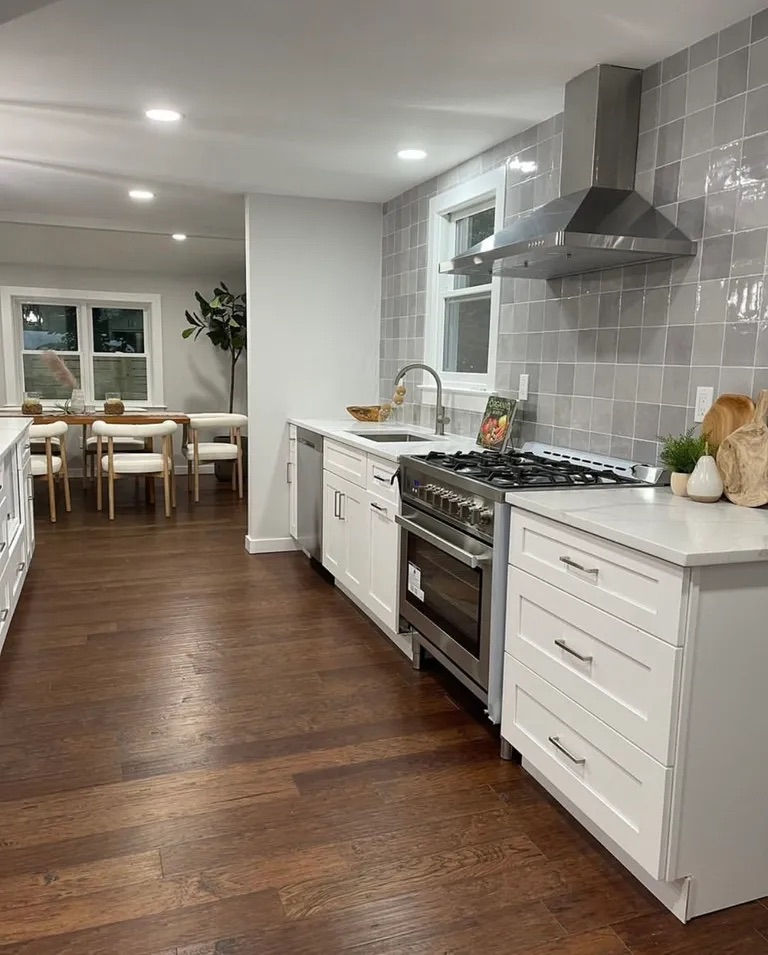
Kitchen remodeling usually takes longer than a simple cosmetic update because it may involve cabinets, countertops, flooring, backsplash, lighting, plumbing, electrical work, and appliances.
Bathroom Remodeling
Bathroom remodeling can vary based on whether the project is a simple update or a full renovation. Tile, plumbing, fixtures, vanities, lighting, and layout changes can all affect the timeline.
Outdoor Kitchens
Outdoor kitchen projects can vary depending on the design, materials, built-in grill setup, counters, storage, masonry, patio layout, and utility needs. Planning ahead is especially important so the space is ready for warmer weather and outdoor entertaining.
Tips to Keep Your Remodel on Track
The best way to keep a home remodeling project moving is to make decisions early and work with a contractor who communicates clearly.
Before your project begins:
Choose your main materials early
Finalize colors and finishes
Confirm the scope of work
Ask about the expected timeline
Prepare the work area
Plan around temporary disruptions
Stay available for questions
Avoid making too many changes once work begins
Changes can still happen, but too many last-minute decisions may delay the project.
Plan Your Next Home Project With RAM Group
Whether you are planning interior painting, exterior painting, basement remodeling, kitchen remodeling, bathroom remodeling, or an outdoor kitchen, RAM Group Painting and Remodeling can help you bring your home improvement project to life.
Our team works with homeowners who want professional results, clear communication, and quality work from start to finish. From fresh paint to larger remodeling upgrades, we help create spaces that look better, function better, and feel more enjoyable to live in.
If you are ready to start planning your next painting or remodeling project in Mercer County, NJ or the surrounding areas, contact RAM Group today to request a quote.


Comments